

Hey there! As a supplier of rayon dyed fabric, I often get asked about what exactly the “softness” of rayon dyed fabric means. Well, let's dive right into it.
First off, rayon is a semi - synthetic fiber made from cellulose, which is typically derived from wood pulp. This natural origin gives rayon a head - start when it comes to softness. The cellulose fibers are processed in a way that results in a fabric that feels smooth and gentle against the skin.
When we talk about dyed rayon fabric, the dyeing process doesn't usually compromise its softness. In fact, modern dyeing techniques are designed to be as gentle as possible on the fabric. The dyes penetrate the fibers evenly, and the fabric retains its natural soft texture. Unlike some other fabrics that might become stiff or rough after dyeing, rayon dyed fabric manages to keep that luxurious soft touch.

One of the reasons for its softness is the fine structure of rayon fibers. They are thin and have a smooth surface. This smoothness means that there are fewer rough edges or protrusions that could cause irritation when the fabric comes into contact with your skin. Whether you're wearing a rayon dyed dress or using it for a bedding set, you'll notice how it glides over your body without any scratchy feelings.
Another factor contributing to the softness is the way rayon absorbs moisture. Rayon has a high absorbency rate, which allows it to wick away sweat and moisture from your skin. This not only keeps you dry and comfortable but also enhances the soft - to - the - touch feeling. When the fabric is damp with absorbed moisture, it conforms better to your body, adding to the overall soft and cozy sensation.
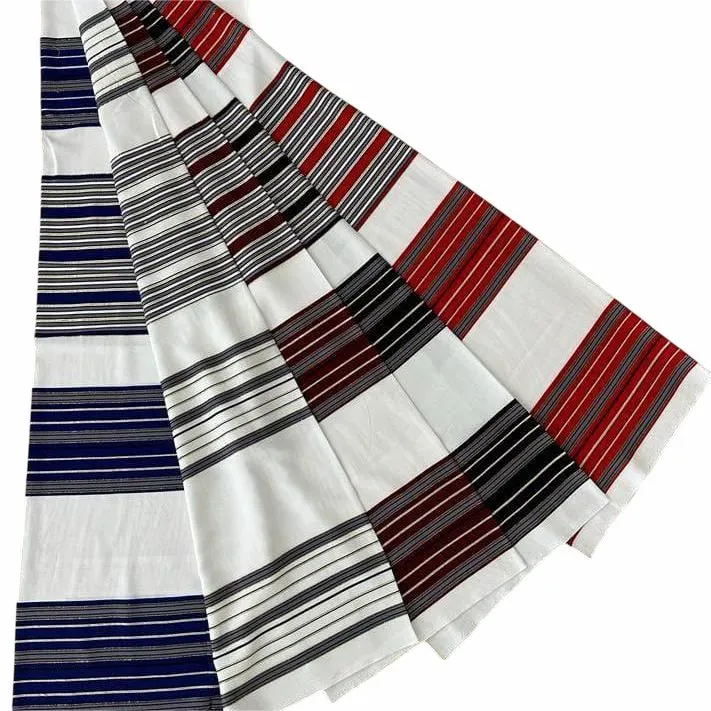
Now, let's talk about the different types of rayon dyed fabric we offer. We have the 36 Inch Dyed Rayon Fabric. This particular width is great for a variety of projects. It's perfect for making scarves, small blouses, or even some home decor items like pillow covers. The softness of this 36 - inch fabric makes it a pleasure to work with, whether you're a professional tailor or a DIY enthusiast.
Our 44 Inch Dyed Rayon Fabric is another popular option. The wider width gives you more flexibility in your projects. You can use it to make full - length dresses, curtains, or larger bedding pieces. The softness of this fabric remains consistent across the entire width, ensuring a uniform and comfortable feel.

We also have Dyed Spun Rayon. Spun rayon has a slightly different texture compared to regular rayon. It has a more rustic, natural look and feel, but it's still incredibly soft. The spinning process gives it a bit of a fuzzy texture on the surface, which can add an extra layer of coziness. It's great for creating warm and soft winter garments like sweaters or shawls.
The softness of rayon dyed fabric also makes it easy to care for. You can usually machine - wash it on a gentle cycle without worrying too much about it losing its softness. Just make sure to use a mild detergent and avoid using harsh chemicals or fabric softeners that might damage the fibers.

In terms of durability, despite its softness, rayon dyed fabric can hold up well over time. Of course, like any fabric, it will require proper care to maintain its quality. But if you follow the care instructions, you can enjoy the softness and beauty of rayon dyed fabric for years to come.
The softness of rayon dyed fabric is a combination of its natural fiber origin, the fine structure of its fibers, and the gentle dyeing process. It offers a unique blend of comfort, style, and versatility that makes it a favorite among designers, crafters, and consumers alike.
If you're interested in purchasing our rayon dyed fabric, whether it's the 36 - inch, 44 - inch, or dyed spun rayon, we'd love to hear from you. We can provide samples so you can feel the softness for yourself and discuss your specific requirements. Don't hesitate to reach out for a purchase and start creating amazing products with our high - quality, soft rayon dyed fabric.
References
- "Fiber Science and Technology" by Peter H. Hermans
- "Textile Chemistry" by R. Meredith