

As a supplier of Traditional Somali Fabric, I've had the privilege of being deeply involved in the trading of these exquisite textiles. Traditional Somali fabrics are not just pieces of cloth; they are a vibrant tapestry of history, culture, and artistry. In this blog, I'll delve into the traditional ways of trading these unique fabrics and share insights into their significance in the market.
The Origins and Significance of Traditional Somali Fabric
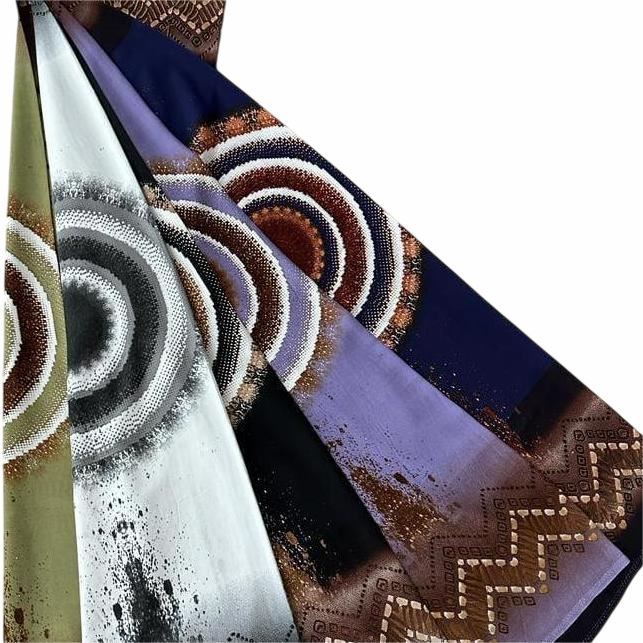
Traditional Somali fabrics have a rich and storied past. They are deeply rooted in Somali culture, with each pattern and design carrying its own meaning. These fabrics are often used in traditional clothing, such as the macawis (a long, loose robe) and the garbasaar (a shawl-like garment). They are also used in home decor, adding a touch of Somali heritage to living spaces.
The production of Traditional Somali Fabric is a labor - intensive process that involves skilled artisans. Natural dyes and traditional weaving techniques are often employed, which contribute to the fabric's unique texture and color. The use of local materials also makes these fabrics environmentally friendly and sustainable.
Traditional Trading Routes and Networks
Historically, Somali fabric trading was closely linked to the region's extensive trade networks. The Somali coast has long been a hub for maritime trade, connecting East Africa with the Arabian Peninsula, India, and beyond. Merchants would travel by sea, carrying bales of fabric to sell in foreign markets. These long - distance trade routes allowed Somali fabrics to gain international recognition and establish a reputation for quality and craftsmanship.
Inland, caravans played a crucial role in transporting fabrics to different parts of the country and neighboring regions. Traders would form large groups and travel across the desert, braving harsh conditions to reach markets in other cities. These caravans were not only a means of transportation but also a social and economic institution. They provided a platform for traders to exchange goods, share information, and build relationships.
Marketplaces and Bazaars
Traditional marketplaces, known as "suuq" in Somali, were the heart of fabric trading. These bustling bazaars were filled with stalls selling a wide variety of fabrics, from simple everyday weaves to elaborate ceremonial pieces. The marketplaces were a vibrant melting pot of cultures, where traders from different ethnic groups would come together to buy and sell.
In these bazaars, haggling was an essential part of the trading process. Customers would negotiate with the sellers to get the best price for the fabric. This interaction was not just about getting a good deal; it was also a way for traders to build trust and establish long - term relationships. Sellers would often share stories about the fabric, its origin, and the techniques used to make it, adding a personal touch to the transaction.

Community - Based Trading
In Somali society, community plays a significant role in fabric trading. Family and kinship networks are often the backbone of the trading business. Many fabric suppliers are part of extended families that have been involved in the trade for generations. These family - run businesses pass down their knowledge and skills from one generation to the next, ensuring the continuity of traditional fabric production and trading.
Community - based trading also involves mutual support and cooperation. Traders within the same community would help each other in times of need, share resources, and collaborate on marketing and distribution. This sense of community has been a key factor in the survival and growth of the Somali fabric industry.
Modern Adaptations of Traditional Trading
In recent years, the traditional ways of trading Somali fabric have undergone some changes due to the influence of modern technology and globalization. Online marketplaces have emerged as a new platform for fabric trading. As a supplier, I've also embraced this trend and have started selling our Traditional Somali Fabric on various e - commerce websites. This has allowed us to reach a wider audience and expand our customer base beyond the traditional markets.
However, despite these changes, the essence of traditional trading still remains. The emphasis on quality, craftsmanship, and personal relationships is still at the core of our business. We continue to use traditional techniques in fabric production and maintain the cultural significance of our products.
The Appeal of Traditional Somali Fabric in Today's Market
In today's global market, there is a growing demand for unique and sustainable products. Traditional Somali fabric fits this trend perfectly. Its natural materials, intricate designs, and cultural significance make it a sought - after item for fashion designers, interior decorators, and consumers who are looking for something different.
For example, our Viscose Animal Print Fabric combines the traditional aesthetic of Somali fabric with a modern animal print design. This fabric is not only stylish but also made with high - quality viscose, which gives it a soft and luxurious feel. Similarly, our Viscose Leopard Print Fabric adds a touch of wildness to any outfit or decor, while the Ditsy Floral Viscose Fabric offers a delicate and feminine look.
Conclusion and Call to Action
As a supplier of Traditional Somali Fabric, I am passionate about preserving the rich heritage of these fabrics and sharing them with the world. The traditional ways of trading Somali fabric have a long and fascinating history, and while modern technology has brought new opportunities, the values of quality, craftsmanship, and community remain unchanged.
If you are interested in purchasing our Traditional Somali Fabric or have any questions about our products, please feel free to reach out. We are always happy to discuss your needs and explore potential business opportunities. Whether you are a fashion designer looking for unique materials or a consumer who appreciates the beauty of traditional fabrics, we have something to offer. Let's work together to keep the tradition of Somali fabric trading alive and thriving.
References
- Ahmed, A. (2018). The History of Somali Textile Trade. East African Journal of History and Culture.
- Hassan, S. (2020). Traditional Somali Fabrics: Their Cultural and Economic Significance. African Textile Studies.
- Mohamed, M. (2019). The Role of Community in Somali Fabric Trading. Journal of African Business.