

The popularity of African fabrics has been on the rise globally, captivating fashion enthusiasts, designers, and consumers alike. As a supplier of African fabrics, I've witnessed firsthand the increasing demand for these vibrant and unique textiles. In this blog, I'll delve into the reasons behind the widespread appeal of African fabrics and explore how they've made their mark in the global fashion landscape.
Rich Cultural Heritage
One of the primary reasons for the popularity of African fabrics is their deep connection to the continent's rich cultural heritage. Each fabric tells a story, reflecting the traditions, beliefs, and history of the African people. From the intricate patterns of Kente cloth, which originated in Ghana and is often worn during special occasions, to the bold geometric designs of Ankara prints, African fabrics are a visual representation of the diverse cultures that make up the continent.
Consumers are drawn to these fabrics not only for their aesthetic appeal but also for the opportunity to connect with a different culture. By wearing African fabrics, individuals can express their appreciation for diversity and showcase their support for cultural preservation. This cultural significance adds a layer of meaning to the fabrics, making them more than just a piece of clothing.
Unique and Vibrant Designs
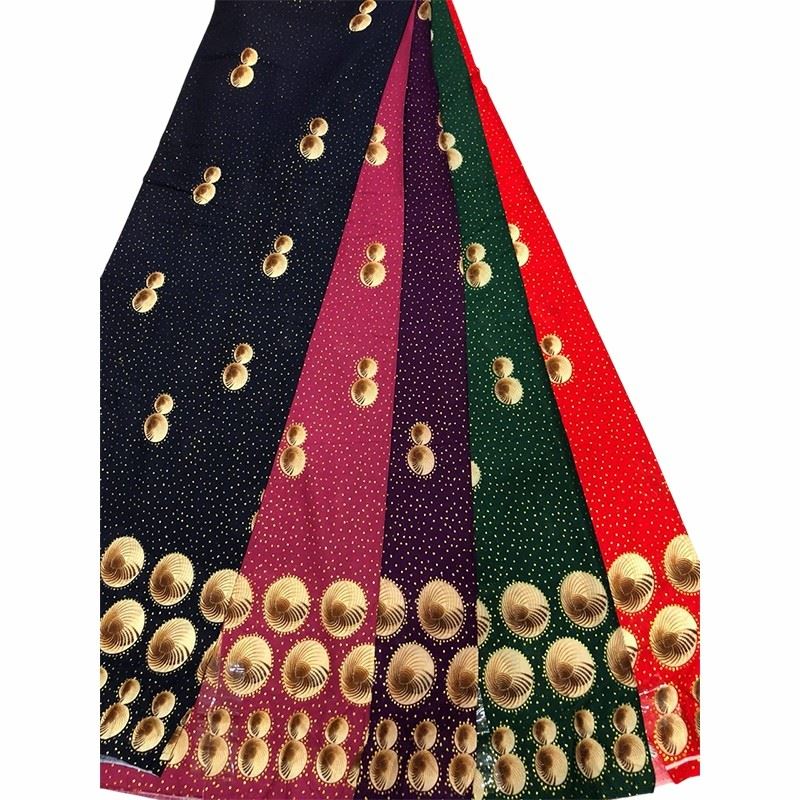
African fabrics are known for their unique and vibrant designs, which stand out in a sea of mass-produced textiles. The colors are bold and bright, ranging from vivid yellows and oranges to deep blues and purples. The patterns are equally diverse, featuring everything from traditional motifs to modern interpretations of African art.
These designs are often created using traditional techniques, such as hand-printing and weaving, which add to their authenticity and charm. The process of creating African fabrics is labor-intensive and requires a high level of skill and craftsmanship. As a result, each piece is one-of-a-kind, making it a truly special addition to any wardrobe.
The versatility of African fabrics is another factor that contributes to their popularity. They can be used to create a wide range of clothing items, from traditional African garments to modern Western-style outfits. For example, a piece of Viscose Animal Print Fabric can be transformed into a stylish maxi dress, while a Viscose Digital Print can be used to make a trendy pair of pants. The possibilities are endless, allowing consumers to express their personal style and creativity.
Sustainability and Ethical Production
In recent years, there has been a growing demand for sustainable and ethically produced fashion. African fabrics offer a solution to this demand, as they are often made using natural materials and traditional production methods. Many African fabric producers use organic cotton, silk, and other natural fibers, which are environmentally friendly and biodegradable.
In addition, the production of African fabrics often involves small-scale, community-based initiatives, which provide employment opportunities for local artisans and support the economic development of the region. By purchasing African fabrics, consumers can support these initiatives and contribute to a more sustainable and equitable fashion industry.

Growing Global Awareness
The increasing popularity of African fabrics can also be attributed to growing global awareness of African culture and fashion. Thanks to the rise of social media and the internet, it's easier than ever for people around the world to discover and appreciate African art, music, and fashion. African designers and models are also gaining more recognition on the global stage, showcasing the beauty and diversity of African fabrics to a wider audience.
As a result, African fabrics are becoming more mainstream, with many high-end fashion brands incorporating them into their collections. This has helped to increase the visibility and demand for African fabrics, making them more accessible and desirable to consumers.
Connection to the African Diaspora
Finally, the popularity of African fabrics is closely linked to the African diaspora. People of African descent around the world have a strong connection to their cultural heritage and often use African fabrics as a way to express their identity and pride. Whether it's wearing a traditional African outfit to a cultural event or incorporating African prints into their everyday wardrobe, African fabrics serve as a powerful symbol of unity and belonging.
In addition, the African diaspora has played a significant role in the spread of African fashion and culture. Through music, art, and fashion, they have introduced African fabrics to new audiences and helped to create a global market for these unique textiles.
Conclusion
In conclusion, the popularity of African fabrics can be attributed to a combination of factors, including their rich cultural heritage, unique and vibrant designs, sustainability and ethical production, growing global awareness, and connection to the African diaspora. As a supplier of African fabrics, I'm proud to offer these beautiful and meaningful textiles to consumers around the world.
If you're interested in purchasing African fabrics for your next project or wardrobe addition, I encourage you to explore our collection of Viscose Animal Print Fabric, Viscose Digital Print, and Viscose Rayon Printed Fabric. We offer a wide range of colors, patterns, and styles to suit every taste and budget.
Whether you're a fashion designer, a DIY enthusiast, or simply someone who appreciates beautiful and unique textiles, I'm confident that you'll find something you love in our collection. If you have any questions or need assistance, please don't hesitate to contact us. We're here to help you find the perfect African fabric for your needs.
References
- Achebe, C. (1958). Things Fall Apart. Heinemann.
- Appiah, K. A. (1992). In My Father's House: Africa in the Philosophy of Culture. Oxford University Press.
- Ebron, P. R. (2002). African Fashion: Power and the Politics of Dress. Berg.
- Jones, C. (2005). African-American Fashion. Greenwood Publishing Group.
- Mwangi, N. (2016). African Textiles: A Global Art. Thames & Hudson.