

As a proud supplier of African fabrics, I've spent years exploring the rich and diverse world of African textile designs. One of the most captivating aspects of these fabrics is the use of floral patterns, which are not only beautiful but also carry deep cultural and historical significance. In this blog post, I'll take you on a journey through some of the floral patterns commonly found in African fabrics, sharing their meanings, origins, and practical uses.
Adinkra Floral Patterns
Adinkra symbols are a well - known part of West African, specifically Ashanti (Ghanaian) culture. While many Adinkra symbols represent concepts, some also incorporate floral elements. These floral Adinkra patterns are often printed on traditional Kente cloth. The adinkra - stamped floral designs are not just for decoration; they convey messages. For instance, a pattern with a particular flower might represent fertility, peace, or the cycle of life.
These fabrics are made using a resist - dyeing or printing process. Natural dyes are often used, which gives the fabric an earthy and authentic feel. Adinkra floral fabrics are commonly used for special occasions such as weddings, festivals, and religious ceremonies. They can be made into elegant dresses, robes, and head - wraps. If you're interested in a fabric with a touch of traditional African symbolism, you might be drawn to a Patterned Viscose Fabric that incorporates these Adinkra floral elements.
Egyptian Floral Motifs
Egypt has a long and storied history, and its influence on African fabric design is undeniable. Egyptian floral motifs often feature lotus flowers, papyrus plants, and other native flora. These motifs are derived from ancient Egyptian art and architecture, which were highly symbolic. The lotus flower, for example, was a symbol of creation and rebirth in Egyptian mythology.
These floral patterns are typically vibrant and detailed. They are used in a variety of fabrics, from linens to cottons. Egyptian floral - patterned fabrics are popular for home decor items such as curtains, tablecloths, and cushions. They can also be made into stylish summer clothing, like flowing dresses and shirts. If you want to bring a bit of ancient Egyptian charm into your life, check out our Ditsy Floral Viscose Fabric, which might incorporate some of these classic Egyptian floral elements.
Moroccan Floral Prints
Moroccan fabric designs are a blend of Islamic art, Berber traditions, and Mediterranean influences. Floral prints in Moroccan fabrics are often geometric in their organization, with flowers arranged in repetitive patterns. You'll commonly see motifs of roses, carnations, and other popular flowers.
The colors used in Moroccan floral fabrics are vivid and rich, including deep reds, blues, and yellows. These fabrics are made through a combination of hand - painting and block - printing techniques. They are ideal for creating traditional Moroccan clothing like djellabas, as well as for modern fashion items such as scarves and handbags. For a fabric with a Moroccan - inspired floral touch, our Viscose Animal Print Fabric might be a great addition to your collection, as it could incorporate some of the unique aesthetic elements found in Moroccan designs.
Somali Floral Patterns
Somali fabrics are known for their unique and intricate designs. The floral patterns in Somali fabrics often feature small, delicate flowers arranged in complex patterns. These patterns are deeply rooted in Somali culture and are used to adorn traditional clothing.
The Traditional Somali Fabric is typically made from high - quality materials. The floral designs are created using a mix of natural and synthetic dyes. They are used to make traditional Somali dresses, turbans, and shawls. These fabrics are not only beautiful but also represent the cultural heritage of the Somali people.
South African Wildflower Prints
South Africa is home to a diverse range of wildflowers, and these have inspired many fabric designs. South African wildflower prints often feature bright, bold colors and realistic depictions of flowers such as proteas, agapanthus, and geraniums.
These fabrics are popular for both fashion and home decor. They can be made into trendy summer dresses, shorts, or used as upholstery for furniture. The use of wildflower prints in South African fabrics celebrates the country's unique natural beauty. If you're looking for a fabric with a South African wildflower - inspired design, our Viscose Leopard Print Fabric might surprise you with its possible incorporation of floral elements alongside the leopard print, creating a unique and eye - catching look.
Practical Uses of African Floral Fabrics
African floral fabrics are incredibly versatile. In the fashion world, they can be used to create everything from casual everyday wear to high - end couture. Designers around the world are increasingly incorporating African floral fabrics into their collections, recognizing their beauty and cultural significance.
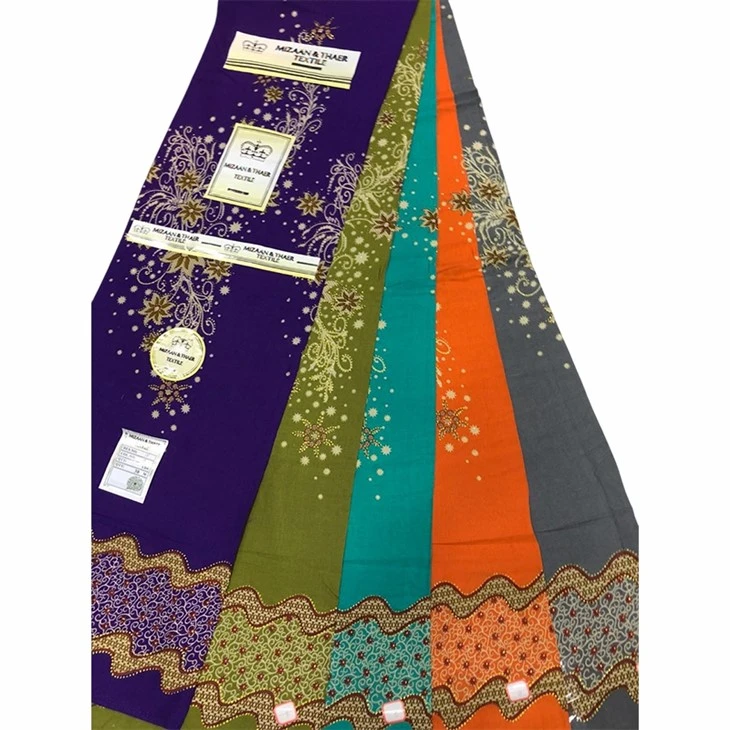

For home decor, these fabrics can transform a room. A set of African floral curtains can add a pop of color and a touch of exoticism to a living room. Cushions made from these fabrics can make a sofa more inviting. Tablecloths can turn an ordinary dining table into a centerpiece for a special occasion.
Cultural Significance
Beyond their aesthetic appeal, African floral patterns carry cultural stories. They are a way for communities to pass down traditions, values, and beliefs from one generation to the next. Each pattern, each flower, has a meaning that is deeply ingrained in the local culture. By wearing or using African floral fabrics, we are not only adorning ourselves or our homes but also paying homage to the rich cultural heritage of the African continent.
Connect and Purchase
If you are interested in exploring our wide range of African fabrics with these beautiful floral patterns, we invite you to reach out for a purchase discussion. Whether you are a fashion designer looking for unique materials, a home decor enthusiast, or someone who simply appreciates the beauty of African textiles, we have something for you. Our team is dedicated to providing high - quality fabrics and excellent customer service.
References
- "African Textiles: A Visual History" by Barbara Plankensteiner
- "The Art of African Textiles" by Mary Nooter Roberts
- "Egyptian Art and Architecture" by Margaret Bunson