

Silk is a luxurious and versatile textile that has been prized for centuries across various cultures. While most people are familiar with the well - known silks from Asia, such as Chinese and Indian silks, African silk also holds its own unique place in the world of textiles. As an African fabrics supplier, I have had the privilege of exploring the rich diversity of African silk and understanding its differences from other types of silks.
Origins and Production
One of the most fundamental differences between African silk and other silks lies in their origins. Asian silks, particularly Chinese silk, have a long - standing history that dates back thousands of years. The Chinese were the first to discover the process of silk production from the cocoons of the Bombyx mori silkworm. This knowledge was closely guarded for centuries, and Chinese silk became a highly sought - after commodity along the Silk Road.
In contrast, African silk has a more decentralized origin. Different regions in Africa have their own silk - producing traditions. For example, in Madagascar, the wild silk known as "lambahoaka" is produced from the cocoons of native wild silkworms. These silkworms feed on a variety of local plants, which gives the silk its distinct characteristics. In Ethiopia, there is also a growing silk industry that combines traditional and modern methods. The Ethiopian silk is mainly produced from the Bombyx mori silkworms, but the production environment and techniques are influenced by the local African context.
The production process of African silk also varies from that of other silks. In Asia, silk production often involves large - scale, highly organized farms. The silkworms are carefully bred and fed a controlled diet of mulberry leaves to ensure high - quality silk. The cocoons are then harvested at the right time and processed in specialized factories using advanced machinery.
African silk production, on the other hand, can be more small - scale and community - based. In some African regions, silk production is a family - run business. The silkworms may have a more diverse diet, which can affect the texture and color of the silk. The processing of the cocoons may involve more traditional, manual methods. For instance, in some areas, the cocoons are boiled in simple pots over an open fire, and the silk is reeled by hand. This hands - on approach can give African silk a more rustic and artisanal feel.
Physical Characteristics
When it comes to physical characteristics, African silk has several distinct features compared to other silks. In terms of texture, Asian silks like Chinese and Indian silk are often known for their smooth, lustrous, and fine - grained texture. They are soft to the touch and have a high degree of drape, making them ideal for creating elegant and flowing garments.
African silk, however, can have a coarser texture. This is partly due to the different types of silkworms used and their diet. The wild silks in Africa, such as the lambahoaka silk from Madagascar, have a more rugged texture. The fibers are thicker and may have a slightly uneven surface, which gives the fabric a unique tactile quality. This coarser texture can also make African silk more durable in some cases, suitable for creating items that require more strength, like bags or upholstery.
Color is another area where African silk stands out. Asian silks are often dyed using a wide range of synthetic and natural dyes, resulting in a vast spectrum of bright and vivid colors. They are known for their ability to hold dye well, creating long - lasting and intense hues.
African silk, on the other hand, may have more natural and earthy colors. Since the silkworms feed on local plants, the silk can take on the subtle colors of those plants. For example, silk produced from silkworms that feed on certain African trees may have a warm, golden - brown tint. Additionally, African artisans often use traditional natural dyes made from plants, roots, and bark. These natural dyes give the silk a more organic and muted color palette, which is in harmony with the African landscape and cultural aesthetic.
Cultural Significance
Silk in different cultures carries unique cultural meanings. Asian silks, especially Chinese silk, have long been associated with royalty, luxury, and refinement. In Chinese history, silk was reserved for the imperial family and high - ranking officials. It was used to create elaborate imperial robes and ceremonial garments. Indian silk, too, is deeply ingrained in religious and cultural ceremonies. Sarees made from silk are worn during weddings and other important festivals, symbolizing purity and prosperity.
African silk also has a rich cultural significance. In many African communities, silk is used in traditional clothing and ceremonies. For example, in some West African countries, silk is incorporated into the elaborate robes worn by chiefs and elders. These robes are not only a symbol of status but also carry cultural and spiritual significance. The patterns and designs on the silk may represent the community's history, values, and beliefs.
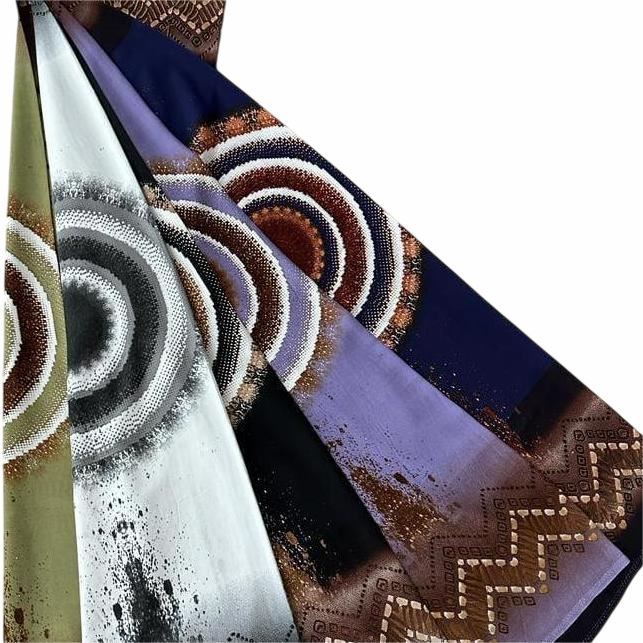

Moreover, African silk is often used in the creation of artisanal handicrafts. The unique texture and color of African silk make it a popular choice for creating wall hangings, masks, and other decorative items. These handicrafts are not only beautiful but also serve as a way to preserve and transmit African cultural heritage.
Applications in Modern Fashion
In the modern fashion industry, Asian silks have a wide - reaching influence. They are used by high - end fashion designers around the world to create elegant evening gowns, sophisticated blouses, and luxurious lingerie. The smooth texture and beautiful drape of Asian silks make them perfect for creating garments that showcase the body's curves and movements.
African silk is also making its mark in the fashion world. Designers are increasingly drawn to the unique texture, color, and cultural significance of African silk. It is being used to create contemporary fashion pieces that blend traditional African elements with modern design. For example, African silk can be used to create stylish jackets, dresses, and scarves. The coarser texture of African silk can add an edgy and urban feel to the designs, making them stand out in the fashion market.
If you are interested in exploring the world of African silk and other African fabrics, we offer a wide range of products. You can check out our Traditional Somali Fabric, which combines the beauty of traditional Somali designs with the quality of African silk. Our Ditsy Floral Viscose Fabric is another popular choice, featuring delicate floral patterns on a viscose base that has a soft and flowing feel. And for those who love bold and eye - catching designs, our Viscose Leopard Print Fabric is sure to make a statement.
If you are a fashion designer, retailer, or simply someone who appreciates the beauty of African fabrics, we invite you to contact us for procurement and further discussions. We are committed to providing high - quality African fabrics and excellent customer service.
References
- "Silk Production in Africa: A Review" by various African silk researchers.
- "Cultural Significance of Silk in Different Cultures" from a cultural anthropology journal.
- "The History of Asian Silk" by renowned historians of Asian textiles.