

As a supplier of Patterned Viscose Fabric, I often encounter various questions from customers. One of the most frequently asked questions is whether patterned viscose fabric is flammable. In this blog post, I will delve into this topic, providing a comprehensive analysis based on scientific knowledge and industry experience.
Understanding Viscose Fabric
Viscose, also known as viscose rayon, is a semi - synthetic fiber made from cellulose, which is commonly derived from wood pulp. It has been a popular choice in the textile industry for many years due to its softness, breathability, and ability to absorb moisture. Patterned viscose fabric, in particular, combines the aesthetic appeal of various patterns with the inherent properties of viscose.
The production process of viscose involves treating the cellulose with chemicals to break it down into a soluble form, which is then extruded through spinnerets to form fibers. These fibers are then woven or knitted into fabric, and patterns can be added through printing, embroidery, or other techniques.
Flammability of Viscose Fabric
Viscose fabric is indeed flammable. This is because cellulose, the main component of viscose, is a natural polymer that can burn. When exposed to a flame or a high - temperature source, viscose fabric will catch fire and burn relatively quickly.
The flammability of viscose can be attributed to its chemical structure. Cellulose is composed of glucose units linked together by glycosidic bonds. When heated, these bonds break, and the cellulose decomposes, releasing combustible gases such as carbon monoxide and methane. These gases then react with oxygen in the air, resulting in combustion.
In addition, viscose fabric has a relatively high surface area due to its fine fibers. This allows for better contact with oxygen, which further promotes the combustion process. As a result, viscose fabric can burn rapidly once ignited.
Factors Affecting Flammability
Several factors can influence the flammability of patterned viscose fabric:
- Fabric Thickness: Thicker viscose fabrics generally burn more slowly than thinner ones. This is because the thicker fabric has more mass and takes longer to heat up and decompose.
- Pattern and Printing: The type of pattern and printing on the fabric can also affect its flammability. Some printing inks or dyes may contain chemicals that can either enhance or reduce the flammability of the fabric. For example, certain flame - retardant dyes can be used to make the fabric less flammable.
- Blending: Viscose is often blended with other fibers such as cotton, polyester, or nylon. The flammability of the blended fabric will depend on the proportion and properties of the other fibers. For instance, polyester is a synthetic fiber that is more resistant to burning than viscose. So, a viscose - polyester blend may be less flammable than pure viscose fabric.
Safety Measures and Regulations
Given the flammability of viscose fabric, it is important to take appropriate safety measures. In many countries, there are regulations in place to ensure the safety of textile products, including viscose fabrics. These regulations typically specify the maximum flammability limits that a fabric must meet.
For example, in the United States, the Consumer Product Safety Commission (CPSC) has established flammability standards for clothing and other textile products. Fabrics used in children's sleepwear, in particular, are subject to strict flammability requirements to prevent burn injuries.

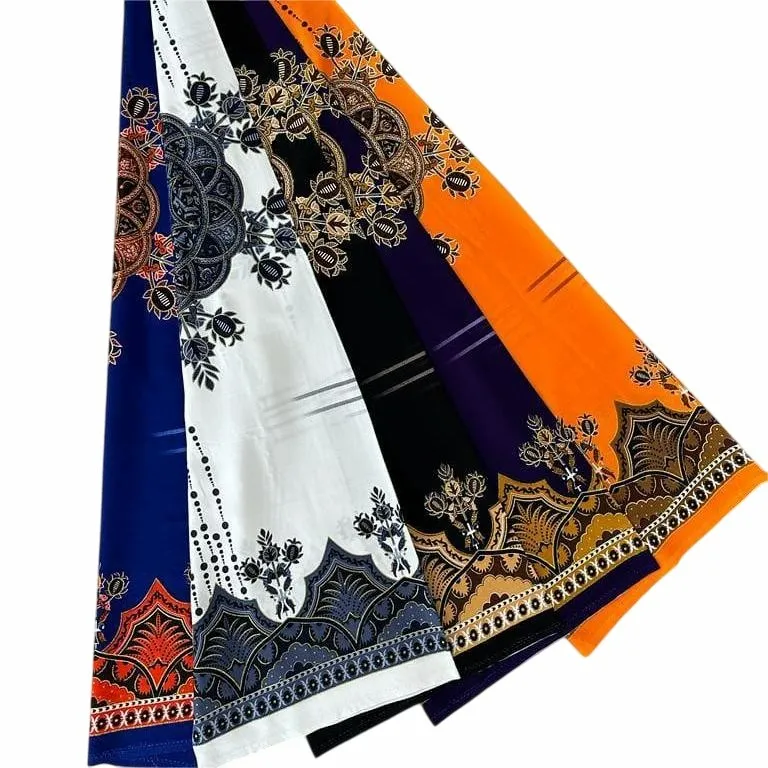
As a supplier, we are committed to ensuring that our patterned viscose fabrics meet all relevant safety standards. We work closely with our manufacturers to source fabrics that have been tested for flammability and comply with the necessary regulations.
Applications and Precautions
Patterned viscose fabric is widely used in various applications, including clothing, home decor, and upholstery. When using viscose fabric in these applications, it is important to take precautions to minimize the risk of fire.
In clothing, it is advisable to keep viscose garments away from open flames, such as candles, stoves, or fireplaces. When wearing viscose clothing, avoid activities that may expose the fabric to high - temperature sources.
For home decor and upholstery, consider using flame - retardant treatments or choosing viscose fabrics that have been pre - treated with flame - retardant chemicals. This can significantly reduce the flammability of the fabric and enhance the safety of your home.
Our Product Offerings
At our company, we offer a wide range of patterned viscose fabrics. Our collection includes African Fabrics for Batti Dress, Viscose Rayon Printed Fabric, and Traditional Somali Fabric. These fabrics are carefully selected for their quality, pattern, and color.
We understand the importance of safety, and we ensure that all our fabrics are tested for flammability. Whether you are a fashion designer, a home decorator, or a retailer, our patterned viscose fabrics can meet your needs.
Contact Us for Procurement
If you are interested in purchasing our patterned viscose fabrics, we would be more than happy to discuss your requirements. Our team of experts can provide you with detailed information about our products, including their flammability characteristics, patterns, and colors.
We offer competitive prices, high - quality products, and excellent customer service. Whether you need a small sample or a large order, we can accommodate your needs. Contact us today to start your procurement process and explore the world of patterned viscose fabric.
References
- Textile Flammability Handbook, American Association of Textile Chemists and Colorists (AATCC)
- Consumer Product Safety Commission (CPSC) Regulations on Textile Flammability
- Journal of Applied Polymer Science, articles on the flammability of cellulose - based fibers