

Is patterned viscose fabric breathable? This is a question that many customers often ask me as a supplier of Patterned Viscose Fabric. In this blog post, I'll explore the breathability of patterned viscose fabric, diving into the science behind it, its performance in various conditions, and how it compares to other fabric types.
Understanding Viscose Fabric
Before we delve into breathability, let's understand what viscose fabric is. Viscose is a semi - synthetic fiber made from wood pulp, typically sourced from trees like eucalyptus, beech, or pine. The manufacturing process involves dissolving the wood pulp in a chemical solution, then extruding it through spinnerets to form fibers. These fibers are then spun into yarns and woven or knitted into fabric.
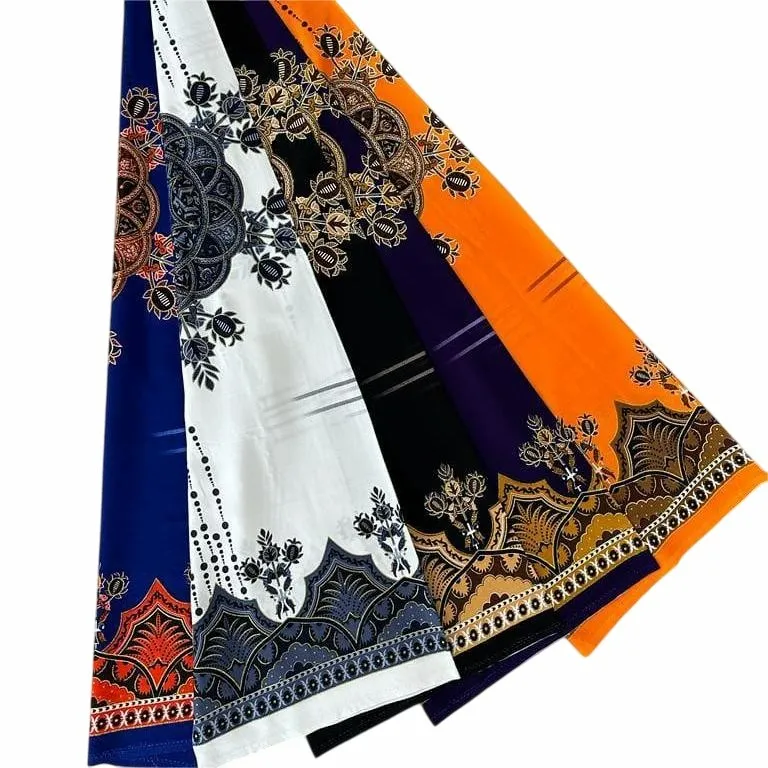
One of the key characteristics of viscose is its softness. It has a smooth, silky feel against the skin, which makes it a popular choice for clothing. It also has excellent draping properties, meaning it hangs well and can create elegant, flowing garments. Viscose can absorb dyes easily, which is why it's often used for creating vibrant, detailed patterns, as seen in our Patterned Viscose Fabric.
The Science of Breathability
Breathability in fabrics refers to the ability of the fabric to allow air and moisture (such as sweat) to pass through it. When we wear clothes, our bodies produce heat and sweat as a way to regulate temperature. A breathable fabric helps to wick away the moisture and allows fresh air to circulate, keeping us cool and comfortable.
The breathability of a fabric is determined by several factors. Firstly, the fiber structure plays a crucial role. Fibers with a porous or hollow structure tend to be more breathable because they provide channels for air and moisture to move through. Secondly, the weave or knit of the fabric matters. Loose weaves or knits generally allow more air circulation compared to tight ones. Additionally, the thickness of the fabric can affect breathability; thinner fabrics usually breathe better than thicker ones.
Breathability of Patterned Viscose Fabric
Viscose fabric is known for its relatively good breathability. The fiber has a porous structure that allows air to flow through it, and it can absorb up to 50% more moisture than cotton. This means that when you wear a garment made from viscose, it can quickly absorb sweat from your skin, keeping you dry and comfortable.
In the case of patterned viscose fabric, the breathability can be influenced by the pattern itself. If the pattern is created through a printing process that doesn't significantly affect the fabric's structure, the breathability remains largely intact. However, if the pattern involves heavy coatings or thick layers of ink, it could potentially reduce the fabric's breathability to some extent.
Our Patterned Viscose Fabric is designed with breathability in mind. We use advanced printing techniques that ensure the pattern is vivid and long - lasting without compromising the fabric's natural properties. The porous nature of the viscose fiber allows air to circulate freely, and the moisture - absorbing capacity helps to keep the wearer cool, even in warm weather.
Comparing with Other Fabrics
Let's compare patterned viscose fabric with some other common fabric types in terms of breathability.
Cotton: Cotton is a natural fiber that is well - known for its breathability. It can absorb moisture and allow air to pass through. However, viscose can absorb more moisture than cotton, which gives it an edge in terms of keeping the skin dry. On the other hand, cotton is more durable and less prone to shrinking compared to viscose.
Polyester: Polyester is a synthetic fiber. It is generally less breathable than viscose because it doesn't absorb moisture as well. Polyester tends to trap heat and sweat against the skin, which can make the wearer feel hot and uncomfortable. However, polyester is more wrinkle - resistant and has better colorfastness than viscose.
Silk: Silk is a luxurious natural fiber that is also breathable. It has a smooth texture and can absorb moisture. Viscose has a similar smooth feel to silk, and its breathability is comparable. However, silk is more expensive than viscose, making viscose a more affordable alternative for many consumers.
Performance in Different Conditions
The breathability of patterned viscose fabric can vary depending on the environmental conditions.
Hot and Humid Weather: In hot and humid weather, the high moisture - absorbing capacity of viscose is a great advantage. It can quickly absorb sweat from your skin, preventing the feeling of stickiness. The porous structure of the fiber allows air to circulate, helping to keep you cool. However, in extremely humid conditions, the fabric may take longer to dry, which could potentially lead to a slightly damp feeling.
Cold Weather: In cold weather, viscose may not be the best choice on its own. While it can absorb moisture, it doesn't provide much insulation. However, it can be used as a lining material in winter garments. The smooth texture of viscose against the skin can be comfortable, and it can help to wick away any moisture that may accumulate from sweating under layers of clothing.
Applications of Patterned Viscose Fabric
Patterned viscose fabric has a wide range of applications due to its breathability and aesthetic appeal.
Clothing: It is commonly used for making summer dresses, blouses, and shirts. The breathability of the fabric makes it suitable for warm - weather clothing, and the patterns can add a stylish touch. Our African Fabrics for Batti Dress often feature patterned viscose fabric, which is perfect for creating traditional yet fashionable outfits.
Home Decor: Patterned viscose fabric can also be used for home decor items such as curtains, pillow covers, and tablecloths. The breathability of the fabric can help to keep the room well - ventilated, and the patterns can enhance the aesthetic of the space.

Conclusion
In conclusion, patterned viscose fabric is generally breathable. Its porous fiber structure and high moisture - absorbing capacity allow air to circulate and keep the wearer dry and comfortable. While the pattern on the fabric may have a minor impact on breathability, our manufacturing techniques ensure that the fabric retains its natural properties.
Compared to other fabrics, viscose offers a good balance of breathability, softness, and affordability. It performs well in various conditions, although its effectiveness may vary depending on the environment.
If you're interested in our Patterned Viscose Fabric, African Fabrics for Batti Dress, or Viscose Digital Print, we welcome you to contact us for more information and to discuss your purchasing needs. We're always ready to provide high - quality products and excellent service.
References
- "Textile Science" by John H. Townsend
- "The Handbook of Fiber Science and Technology" edited by Mark Lewin and Eli M. Pearce