

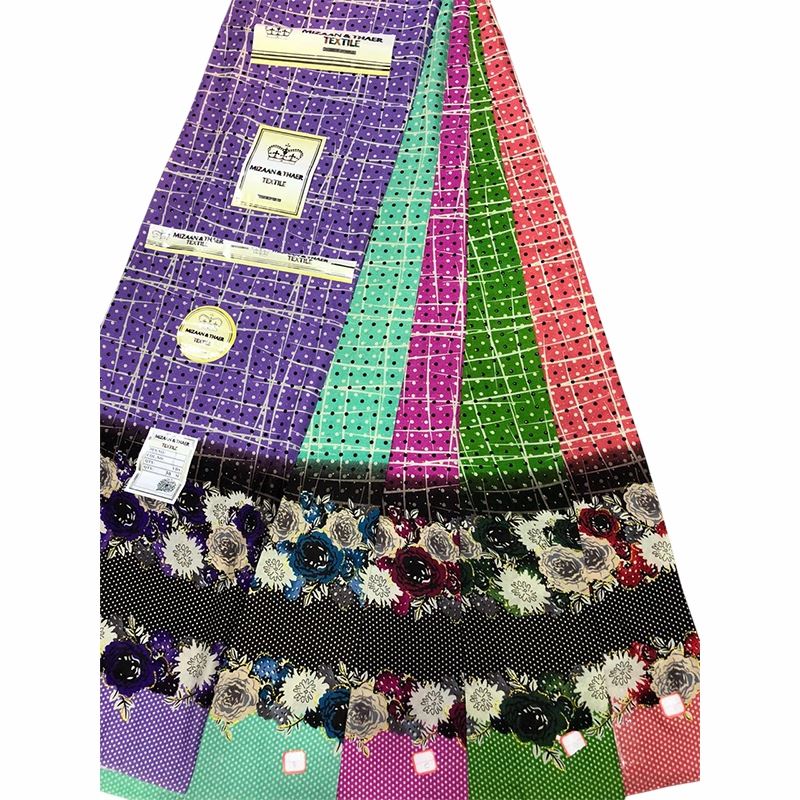
Patterned viscose fabric is a popular choice in the textile industry, known for its softness, breathability, and beautiful prints. As a supplier of [Patterned Viscose Fabric], I understand the importance of proper storage to maintain the quality and appearance of this delicate material. In this blog post, I will share some valuable tips on how to store patterned viscose fabric effectively.
Understanding Patterned Viscose Fabric
Before delving into storage methods, it's essential to understand the characteristics of patterned viscose fabric. Viscose is a semi-synthetic fiber made from wood pulp, which gives it a natural feel similar to cotton or silk. Patterned viscose fabric is created by printing various designs on the viscose base, adding an extra layer of aesthetic appeal. However, this fabric is also prone to certain issues, such as fading, wrinkling, and damage from pests.
Ideal Storage Conditions
To ensure the longevity of patterned viscose fabric, it's crucial to store it in an environment that meets specific conditions. Here are the key factors to consider:
Temperature and Humidity
Patterned viscose fabric should be stored in a cool, dry place with a stable temperature and humidity level. Fluctuations in temperature and humidity can cause the fabric to expand or contract, leading to wrinkles and distortion. Ideally, the storage area should have a temperature between 60°F and 70°F (15°C and 21°C) and a relative humidity of around 40% to 50%.
Light Exposure
Exposure to direct sunlight can cause the colors in patterned viscose fabric to fade over time. Therefore, it's best to store the fabric in a dark or dimly lit area. If possible, use opaque storage containers or covers to protect the fabric from light.
Ventilation
Good ventilation is essential to prevent the growth of mold and mildew on the fabric. Make sure the storage area has adequate airflow to keep the fabric dry and fresh. Avoid storing the fabric in airtight containers or plastic bags, as this can trap moisture and lead to mold growth.
Storage Methods
Once you have created the ideal storage environment, it's time to choose the right storage method for your patterned viscose fabric. Here are some effective options:
Folding
Folding is a common and convenient way to store patterned viscose fabric. However, it's important to fold the fabric correctly to prevent creases and wrinkles. Start by laying the fabric flat on a clean, smooth surface. Then, fold the fabric in half lengthwise, aligning the edges carefully. Next, fold the fabric in half again, and continue folding it into smaller sections until it reaches the desired size. To prevent sharp creases, use a soft cloth or tissue paper between the folds.
Rolling
Rolling is another excellent storage method for patterned viscose fabric, especially for larger pieces. Rolling the fabric helps to prevent creases and makes it easier to access. To roll the fabric, start by laying it flat on a clean, smooth surface. Then, place a sturdy cardboard tube or dowel at one end of the fabric. Roll the fabric tightly around the tube, making sure to keep the edges straight. Once the fabric is fully rolled, secure it with a rubber band or twine.
Hanging
Hanging is a good option for storing patterned viscose fabric that is prone to wrinkling. However, it's important to use the right hangers to prevent damage to the fabric. Avoid using wire hangers, as they can leave marks on the fabric. Instead, use padded or wooden hangers that are wide enough to support the fabric without stretching it. Hang the fabric in a cool, dry place with good ventilation.
Additional Tips
In addition to the storage methods mentioned above, here are some additional tips to help you store patterned viscose fabric effectively:
Clean the Fabric Before Storage
Before storing the fabric, make sure it is clean and free of any stains or dirt. Wash the fabric according to the care instructions on the label, and allow it to dry completely before storing it. This will help to prevent the growth of mold and mildew and keep the fabric looking its best.
Use Acid-Free Tissue Paper
When folding or rolling the fabric, use acid-free tissue paper to protect it from creases and damage. Acid-free tissue paper is pH-neutral and will not cause the fabric to yellow or deteriorate over time.
Check the Fabric Regularly
Even if you have stored the fabric correctly, it's still a good idea to check it regularly for any signs of damage or deterioration. Look for signs of mold, mildew, pests, or fading, and take appropriate action if necessary.
Conclusion
Proper storage is essential to maintain the quality and appearance of patterned viscose fabric. By following the tips and guidelines outlined in this blog post, you can ensure that your fabric stays in excellent condition for years to come. Remember to create an ideal storage environment, choose the right storage method, and take additional precautions to protect the fabric. If you have any questions or need further advice on storing patterned viscose fabric, please don't hesitate to contact us. We are a leading supplier of [Patterned Viscose Fabric], including Viscose Rayon Printed Fabric, Viscose Digital Print, and Traditional Somali Fabric. We are committed to providing high-quality products and excellent customer service. If you are interested in purchasing our products, please feel free to contact us for more information and to discuss your specific requirements.

References
- Textile Storage Guidelines, The Textile Museum
- Caring for Viscose Fabric, The Spruce Crafts