

As a seasoned supplier specializing in Printing On Rayon Fabric, I've had the privilege of working with this versatile material for many years. Rayon, known for its softness, breathability, and drape, is a popular choice for a wide range of applications, from fashion to home decor. Printing stripe patterns on rayon fabric can add a touch of style and sophistication to any project. In this blog post, I'll share my expertise on how to achieve beautiful stripe patterns on rayon fabric, covering everything from pre - treatment to the printing process itself.
Understanding Rayon Fabric
Before diving into the printing process, it's crucial to understand the nature of rayon fabric. Rayon is a semi - synthetic fiber made from cellulose, usually derived from wood pulp. It has excellent absorbency, which makes it ideal for printing as it can hold dyes well. However, it also has some limitations. Rayon can shrink and wrinkle easily, and it may not be as durable as some other fabrics. There are different types of rayon, such as viscose rayon, modal rayon, and lyocell. Each type may require slightly different handling during the printing process. For instance, Viscose Baati Somali Spun Rayon Fabric has its unique texture and properties that need to be considered.
Pre - treatment of Rayon Fabric
The first step in printing stripe patterns on rayon fabric is pre - treatment. This step is essential to ensure that the fabric is in the best condition for printing and that the stripes will adhere well and look vibrant.
Washing and Drying
Start by washing the rayon fabric to remove any dirt, chemicals, or sizing agents that may be present on the surface. Use a mild detergent and cold water to prevent shrinkage. After washing, gently squeeze out the excess water. Avoid wringing the fabric as this can cause stretching and distortion. Then, lay the fabric flat to dry. Hanging the fabric may cause it to stretch unevenly.
Heat - setting
Once the fabric is dry, you may consider heat - setting it. Heat - setting helps to stabilize the fabric and reduce the chances of shrinkage during the printing process. Use a low - heat iron on the reverse side of the fabric, moving the iron gently in a circular motion. Make sure not to over - heat the fabric as this can damage the rayon fibers.
Designing the Stripe Pattern
The next step is to design the stripe pattern. You can create a simple or complex design depending on your preferences and the intended use of the fabric.
Sketching the Design
Start by sketching your stripe pattern on paper. Decide on the width of the stripes, the spacing between them, and the overall color scheme. You can use different shapes and sizes of stripes to create a more dynamic and interesting pattern.
Digitalizing the Design
If you want a more precise and professional - looking pattern, you can use graphic design software to digitalize your sketch. Programs like Adobe Illustrator are great for creating vector - based stripe patterns. This allows you to easily adjust the size, color, and spacing of the stripes. You can also save the design in a format suitable for printing, such as a high - resolution PDF or JPEG.
Choosing the Printing Method
There are several printing methods available for printing stripe patterns on rayon fabric, and each has its own advantages and disadvantages.
Screen Printing
Screen printing is a popular method for printing on rayon fabric. It involves creating a stencil (screen) for each color in the stripe pattern. Ink is then forced through the screen onto the fabric using a squeegee. Screen printing allows for high - quality, durable prints and is suitable for large - scale production. However, it can be time - consuming and expensive to set up, especially for complex designs with multiple colors.
Digital Printing
Digital printing is a more modern and versatile method. It involves printing the design directly onto the fabric using a digital printer. This method is ideal for small - scale production and for creating custom designs. Digital printing offers a wide range of colors and can reproduce intricate designs with high precision. However, the cost per print may be higher compared to screen printing, and the durability of the print may not be as good in some cases.
Heat Transfer Printing
Heat transfer printing involves printing the stripe pattern onto a special transfer paper and then transferring it onto the rayon fabric using heat and pressure. This method is relatively easy and can produce vibrant, detailed prints. However, the heat used in the transfer process may damage the rayon fabric if not carefully controlled, and the prints may not be as durable as those produced by screen or digital printing.
Preparing the Printing Materials
Once you've chosen the printing method, you need to prepare the necessary materials.
Ink or Dye Selection
For screen printing, you'll need to choose the appropriate screen - printing inks. Look for inks that are specifically formulated for use on rayon fabric. These inks should be fast - drying, color - fast, and have good adhesion to the fabric. For digital printing, use textile - specific dyes or inks. Make sure to test the inks or dyes on a small piece of rayon fabric first to ensure that they produce the desired color and quality.
Printing Equipment
If you're using screen printing, you'll need screens, a squeegee, a printing table, and a drying rack. For digital printing, you'll need a digital textile printer and the necessary software. Heat transfer printing requires a heat press, transfer paper, and a cutting machine if you need to cut the transfer paper to size.
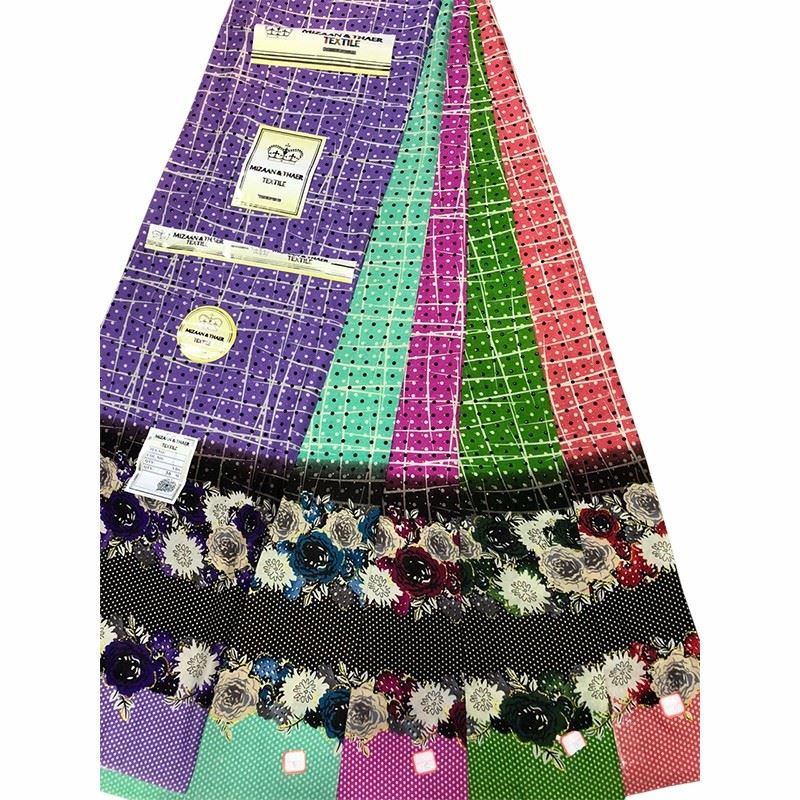

Printing the Stripe Pattern
Now it's time to print the stripe pattern on the rayon fabric.
Screen Printing Process
If you're using screen printing, start by securing the screen firmly over the fabric. Pour a small amount of ink onto the top of the screen. Use the squeegee to spread the ink evenly across the screen, forcing it through the open areas of the stencil onto the fabric. Make sure to apply even pressure to ensure a consistent print. Repeat the process for each color in the stripe pattern, allowing each color to dry completely before printing the next one.
Digital Printing Process
For digital printing, load the rayon fabric into the printer according to the manufacturer's instructions. Open the design file in the printing software and adjust the settings, such as print quality and color calibration. Then, start the printing process. Monitor the print to ensure that it is coming out correctly.
Heat Transfer Printing Process
If you're using heat transfer printing, print the stripe pattern onto the transfer paper using a regular printer. Cut the transfer paper to the appropriate size. Place the transfer paper, printed side down, on the rayon fabric. Set the heat press to the correct temperature and pressure settings for rayon fabric. Press the heat press onto the transfer paper for the recommended time. Carefully peel off the transfer paper while it's still warm to reveal the printed stripe pattern.
Post - treatment of the Printed Fabric
After printing the stripe pattern, post - treatment is necessary to ensure the durability and color - fastness of the print.
Fixing the Print
For screen - printed and digitally printed fabrics, you may need to fix the ink or dye using a fixing agent. This can be done by steaming or baking the fabric according to the instructions provided with the ink or dye. Fixing helps to bond the ink or dye to the fabric fibers, making the print more resistant to washing and fading.
Washing and Drying
Once the print is fixed, wash the fabric again using a mild detergent and cold water. This helps to remove any excess ink or dye and any fixing agents. After washing, gently squeeze out the excess water and lay the fabric flat to dry.
Quality Control
Before offering the Printed Rayon Material to customers, it's important to conduct quality control checks. Inspect the printed fabric for any defects, such as uneven printing, color bleeding, or smudging. Check the color - fastness of the print by performing a simple wash test. If any issues are found, take the necessary steps to correct them.
Conclusion
Printing stripe patterns on rayon fabric requires careful planning, attention to detail, and the right techniques. By following the steps outlined in this blog post, you can achieve beautiful, high - quality prints that will enhance the appeal of your rayon fabric products. Whether you're a fashion designer, a home decorator, or a business owner looking for printed rayon fabric, I'm here to help. As a leading supplier of Printing On Rayon Fabric, I can provide you with high - quality rayon fabric and expert advice on the printing process. If you're interested in purchasing our printed rayon materials or discussing your printing needs, please feel free to reach out. I look forward to working with you to bring your creative ideas to life.
References
- Textile Printing Handbook: A Comprehensive Guide to Printing Techniques on Fabrics
- Rayon Fiber Properties and Applications: Research Papers on the Characteristics of Rayon
- Screen Printing for Beginners: A Step - by - Step Guide to Screen Printing on Textiles