

As a seasoned supplier of gilded fabric, I understand the importance of accurate measurement in the textile industry. Gilded fabric, with its luxurious sheen and intricate details, requires a specific approach to ensure that it meets the exacting standards of our customers. In this blog post, I will share some key methods and considerations for measuring gilded fabric effectively.
Understanding the Characteristics of Gilded Fabric
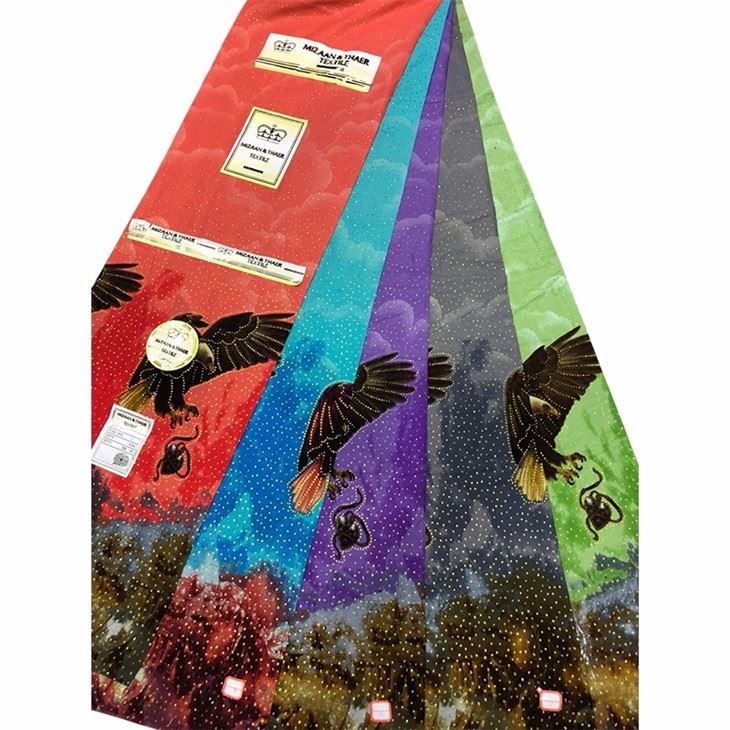
Before delving into the measurement process, it's essential to understand the unique characteristics of gilded fabric. Gilded fabric is typically made by applying a thin layer of gold or gold - like material to a base fabric. This can be done through various techniques such as gilding, printing, or laminating. The result is a fabric that has a distinct metallic luster and often a delicate surface.
The base fabric can vary widely, including silk, satin, or synthetic materials. Each base fabric has its own properties, such as stretch, drape, and thickness, which can affect the measurement process. For example, a stretchy base fabric may require different measurement techniques compared to a non - stretchy one.
Tools for Measuring Gilded Fabric
- Measuring Tape: A high - quality measuring tape is an essential tool for measuring gilded fabric. Look for a tape that is at least 60 inches long and has clear markings. A flexible measuring tape is ideal as it can easily conform to the shape of the fabric.
- Square or Ruler: A square or ruler can be used to ensure that the fabric is cut straight and to measure the width and length accurately. A metal or plastic square with a right - angle corner is useful for checking the squareness of the fabric edges.
- Calipers: In some cases, especially when measuring the thickness of the gilded layer or the fabric itself, calipers can be a valuable tool. Digital calipers provide more precise measurements compared to traditional calipers.
Measuring the Length and Width
- Unroll the Fabric: Lay the gilded fabric on a flat, clean surface. Make sure the fabric is fully unrolled and free of wrinkles. If the fabric has a pattern, ensure that the pattern is aligned correctly.
- Measure the Length: Use the measuring tape to measure the length of the fabric from one end to the other. Start at the edge of the fabric and extend the tape along the longest side. Take the measurement in inches or centimeters, depending on your preference. Make sure to measure in a straight line, following the natural edge of the fabric.
- Measure the Width: Measure the width of the fabric at several points along its length. This is important because the width of the fabric may vary slightly due to the manufacturing process. Take the average of these measurements to get an accurate width. Place the measuring tape perpendicular to the length of the fabric and measure from one side to the other.
Measuring the Thickness
- Select the Measurement Points: Choose several points on the gilded fabric to measure the thickness. This can include the areas with the gilded design as well as the plain areas of the base fabric.
- Use Calipers: If using calipers, open the jaws of the calipers and place them gently on the fabric at the selected measurement point. Close the jaws until they just touch the fabric on both sides. Read the measurement on the caliper display. Take multiple measurements at different points and calculate the average thickness.
Measuring the Gilded Design
- Determine the Design Area: Identify the area of the gilded design on the fabric. This can be done by visually inspecting the fabric and marking the boundaries of the design.
- Measure the Dimensions of the Design: Use a measuring tape or ruler to measure the length and width of the gilded design. If the design has an irregular shape, you can break it down into smaller, more manageable shapes (such as rectangles or circles) and measure each part separately. Then, calculate the total area of the design using the appropriate geometric formulas.
Considering the Stretch Factor
If the gilded fabric has some stretch, it's important to measure it both when it is in a relaxed state and when it is stretched. This will give you an idea of the fabric's stretchability and how it may behave when used in different applications.
- Relaxed Measurement: Measure the length and width of the fabric when it is in a natural, unstretched state. This is the measurement that is typically used for most applications.
- Stretched Measurement: Gently stretch the fabric in the direction of the stretch (usually along the grain of the fabric). Measure the length and width again while the fabric is stretched. Note the difference in the measurements. This information can be useful for customers who need to know how the fabric will perform when it is stretched, such as in the case of upholstery or clothing.
Quality Control and Documentation
Once you have completed the measurements, it's important to perform quality control checks. Compare the measurements with the specifications provided by the customer or the industry standards. If the measurements are outside the acceptable range, investigate the cause and take corrective action.
Document the measurements in a detailed report. Include information such as the length, width, thickness, and dimensions of the gilded design. This documentation can be useful for both internal quality control and for providing information to customers.
Related Products and Applications
In addition to gilded fabric, we also offer a range of other high - quality fabrics, such as Ditsy Print Viscose Fabric, Colorful Printed Viscose, and Printing On Viscose Fabric. These fabrics are suitable for a variety of applications, including fashion, home decor, and crafts.
Conclusion
Accurate measurement of gilded fabric is crucial for ensuring customer satisfaction and maintaining high - quality standards. By using the right tools and following the proper measurement techniques, you can provide precise measurements and reliable information to your customers. If you are interested in purchasing gilded fabric or any of our other products, please feel free to contact us for more information and to discuss your specific requirements. We look forward to working with you to meet your fabric needs.

References
- Textile Measurement Handbook, Third Edition.
- The Complete Guide to Fabric Manufacturing and Quality Control.