

Yo, what's up everyone! I'm a supplier of Traditional Somali Fabric, and today I wanna take you on a journey through time to explore how this amazing fabric has evolved over the years.
The Roots of Traditional Somali Fabric
Let's start at the beginning. Traditional Somali fabric has a rich history that dates back centuries. It's deeply intertwined with Somali culture, traditions, and way of life. In the old days, the fabric was mainly made by hand, using natural materials like cotton and wool. These materials were locally sourced, which made the fabric not only unique but also sustainable.
The traditional patterns and designs on Somali fabric were also a big deal. They weren't just for show; they carried significant cultural meanings. For example, certain patterns might represent a particular clan, tribe, or even a specific event. These patterns were passed down from generation to generation, preserving the cultural heritage of the Somali people.
One of the most iconic types of Somali fabric is the one used for the Batti dress. The Batti is a traditional Somali garment that's worn by both men and women. It's a long, flowing robe that's known for its elegance and comfort. The fabric used for the Batti is usually made of high - quality cotton, and it often features intricate geometric patterns. If you're interested in African Fabrics for Batti Dress, you can check out this link: African Fabrics for Batti Dress.
Changes in Production Methods
As time went on, the production methods of Somali fabric started to change. With the advent of technology, the hand - made process that was once the norm began to be supplemented, and in some cases, replaced by more modern manufacturing techniques.
The introduction of machinery made it possible to produce fabric on a larger scale. This meant that more people could access Somali fabric, both within Somalia and around the world. However, this also led to some changes in the quality and character of the fabric. Some of the traditional hand - made details were lost, but on the other hand, new possibilities for design and pattern creation emerged.
For instance, the use of digital printing technology has revolutionized the way patterns are applied to the fabric. Instead of painstakingly hand - painting or block - printing patterns, designers can now use computers to create and print incredibly detailed and complex designs. This has opened up a whole new world of creativity, allowing for more diverse and contemporary patterns to be incorporated into Somali fabric. You can see some examples of this innovation with Viscose Digital Print.
Another change in production is the use of new materials. While cotton and wool are still widely used, synthetic materials like viscose rayon have also become popular. Viscose rayon is a semi - synthetic fiber that has a soft, silky feel and is often more affordable than natural fibers. It also takes dyes well, which makes it ideal for creating bright and vibrant patterns. If you're into Viscose Rayon Printed Fabric, there are plenty of options available.
Influence of Globalization
Globalization has had a huge impact on the evolution of Traditional Somali Fabric. In today's interconnected world, Somali fabric is no longer confined to Somalia. It has gained international recognition and is now sought after by fashion designers, collectors, and consumers all over the globe.
This global demand has led to an increased focus on the commercial aspect of Somali fabric. Suppliers, like me, are constantly looking for ways to meet the needs and preferences of a diverse international market. We're working on creating fabrics that blend traditional Somali designs with modern fashion trends. For example, you might see Somali fabric being used in contemporary clothing styles such as dresses, skirts, and even accessories like scarves and handbags.

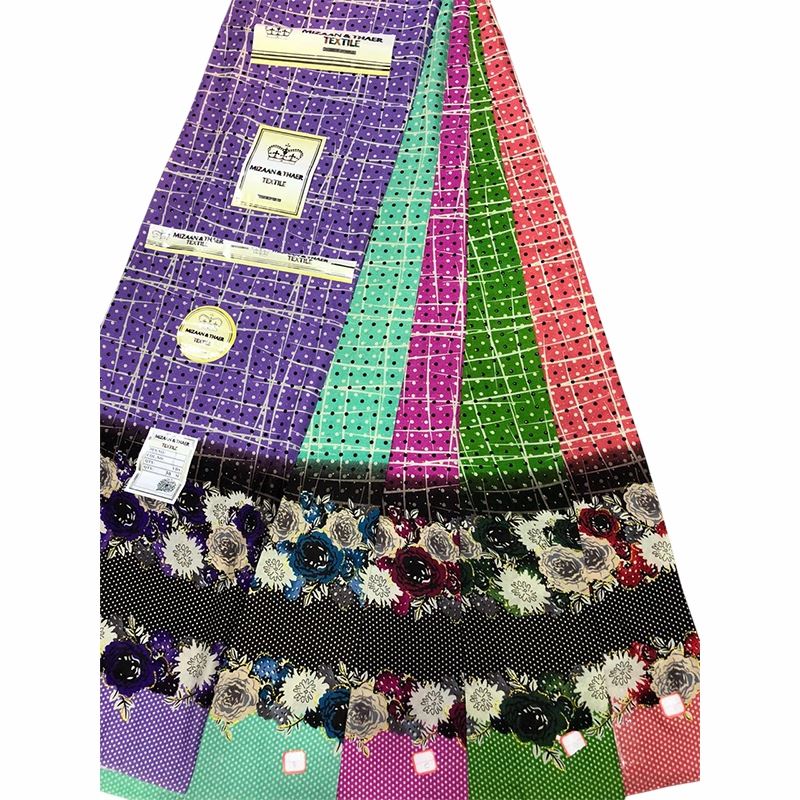
However, globalization also brings some challenges. There's a risk of cultural appropriation, where the unique cultural significance of Somali fabric might be lost or misinterpreted. As a supplier, I'm committed to promoting the authentic cultural value of the fabric while also making it accessible to a wider audience.
Cultural Preservation and Innovation
Despite all the changes, there's a strong movement within Somalia and among the Somali diaspora to preserve the traditional aspects of Somali fabric. Many artisans and designers are going back to their roots, rediscovering and reviving old patterns and production techniques.
At the same time, there's also a lot of room for innovation. Young designers are taking the traditional elements of Somali fabric and giving them a modern twist. They're experimenting with new colors, materials, and patterns to create something truly unique. This combination of preservation and innovation is what's keeping Traditional Somali Fabric relevant and exciting in today's world.
The Future of Traditional Somali Fabric
So, what does the future hold for Traditional Somali Fabric? I believe it has a bright future. With the growing interest in sustainable and culturally - rich fashion, Somali fabric is well - positioned to become even more popular.
As a supplier, I'm looking forward to seeing how the fabric continues to evolve. I'm excited about the potential for more collaborations between traditional artisans and modern designers. I think we'll see even more innovative uses of Somali fabric in the fashion industry, as well as in other areas like interior design.
If you're interested in purchasing Traditional Somali Fabric, whether it's for your own personal use, for a fashion project, or for a collection, I'd love to talk to you. Feel free to reach out and we can discuss your needs and preferences. I'm committed to providing high - quality, authentic Somali fabric that respects its cultural heritage while also meeting the demands of the modern world.
References
- Somali Cultural Heritage Institute. "The History and Significance of Somali Fabric."
- International Journal of African Textiles. "Evolution of African Fabrics: The Case of Somali Fabric."
- Fashion Trends Magazine. "Globalization and the Impact on Traditional African Fabrics."