

As a supplier of Traditional Somali Fabric, I understand the importance of proper storage to prevent damage and maintain the fabric's quality and beauty. Traditional Somali fabrics are known for their rich colors, intricate patterns, and cultural significance. Whether you are a retailer, a designer, or an individual collector, storing these fabrics correctly is essential to ensure they remain in excellent condition for years to come.
Understanding the Characteristics of Traditional Somali Fabric
Before delving into storage methods, it's crucial to understand the unique characteristics of Traditional Somali Fabric. These fabrics are often made from natural fibers such as cotton or silk, which are breathable and comfortable to wear. However, natural fibers are also more prone to damage from environmental factors such as moisture, sunlight, and pests.
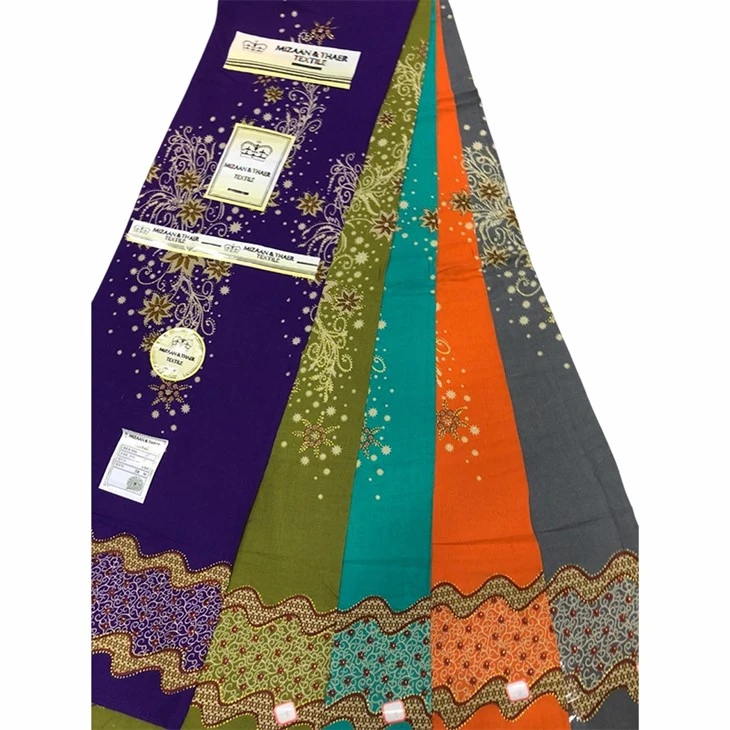
Many Traditional Somali Fabrics feature vibrant colors and elaborate patterns created through dyeing, printing, or embroidery techniques. These decorative elements can be sensitive to friction, abrasion, and chemical exposure. Therefore, it's essential to handle and store the fabrics with care to prevent fading, discoloration, or damage to the patterns.
Factors Affecting Fabric Storage
Several factors can affect the storage of Traditional Somali Fabric, including:
- Humidity: High humidity levels can cause mold, mildew, and insect infestations. Ideal humidity levels for fabric storage range between 30% and 50%.
- Temperature: Extreme temperatures can damage the fabric fibers and cause fading or discoloration. It's best to store fabrics in a cool, dry place with a consistent temperature between 60°F and 70°F (15°C and 21°C).
- Light: Sunlight and artificial light can fade the colors of the fabric over time. Store fabrics in a dark place or use light-blocking curtains or blinds to protect them from direct sunlight.
- Pests: Insects such as moths, silverfish, and beetles can damage the fabric fibers. Use pest control methods such as mothballs, cedar chips, or lavender sachets to deter pests.
- Friction and Abrasion: Folding or hanging the fabric in a way that causes friction or abrasion can damage the fibers and patterns. Use gentle handling techniques and avoid storing fabrics in tight spaces or with rough surfaces.
Storage Methods for Traditional Somali Fabric
Based on the factors mentioned above, here are some effective storage methods for Traditional Somali Fabric:

- Clean the Fabric: Before storing the fabric, make sure it is clean and free of dirt, stains, and odors. Follow the care instructions provided by the manufacturer or consult a professional cleaner if necessary. Cleaning the fabric before storage helps prevent the growth of mold and mildew and ensures the fabric remains in good condition.
- Choose the Right Storage Container: Select a storage container that is clean, dry, and made of a breathable material such as cotton or linen. Avoid using plastic containers, as they can trap moisture and lead to mildew growth. You can use storage bins, garment bags, or acid-free boxes to store the fabric.
- Fold the Fabric Properly: Fold the fabric along the grain to prevent stretching or distortion. Use acid-free tissue paper or muslin to line the folds and protect the fabric from friction. Avoid folding the fabric too tightly, as this can cause creases and damage the fibers.
- Store the Fabric in a Dark, Cool Place: Find a dark, cool, and dry place to store the fabric, such as a closet or a storage room. Avoid storing the fabric in attics, basements, or areas prone to flooding or high humidity. If possible, use a dehumidifier to control the humidity levels in the storage area.
- Protect the Fabric from Pests: Use pest control methods such as mothballs, cedar chips, or lavender sachets to deter pests. Place the pest control products in the storage container or around the storage area. Make sure to keep the fabric away from any chemicals or substances that could damage it.
- Check the Fabric Regularly: Periodically check the fabric for signs of damage, mold, or pest infestation. If you notice any problems, take immediate action to address them. You may need to clean the fabric, treat it for pests, or replace the storage container.
Additional Tips for Storing Traditional Somali Fabric
- Avoid Overcrowding: Do not overcrowd the storage container or the storage area. Leave enough space for the fabric to breathe and prevent it from being crushed or damaged.
- Use Acid-Free Materials: When storing the fabric, use acid-free tissue paper, muslin, or boxes to prevent acid damage. Acidic materials can cause the fabric to yellow, brittle, or deteriorate over time.
- Label the Storage Container: Label the storage container with the type of fabric, date of storage, and any other relevant information. This will make it easier to find the fabric when you need it and help you keep track of its age and condition.
- Rotate the Fabric: If you have a large collection of Traditional Somali Fabric, consider rotating the fabrics regularly. This will help prevent the fabric from being exposed to the same environmental conditions for an extended period and ensure that all the fabrics are used and maintained properly.
Conclusion
Proper storage is essential to prevent damage and maintain the quality of Traditional Somali Fabric. By understanding the unique characteristics of the fabric and the factors that can affect its storage, you can choose the right storage methods and take the necessary precautions to ensure the fabric remains in excellent condition for years to come.
As a supplier of Traditional Somali Fabric, I am committed to providing high-quality fabrics and excellent customer service. If you are interested in purchasing Traditional Somali Fabric or have any questions about fabric storage, please feel free to [initiate a conversation with me to discuss your specific needs and requirements]. I look forward to hearing from you and helping you find the perfect fabric for your project.
References
- Textile Conservation Centre. (n.d.). Storage of Textiles. Retrieved from [Website URL]
- Metropolitan Museum of Art. (n.d.). Caring for Textiles. Retrieved from [Website URL]
- International Institute for Conservation of Historic and Artistic Works. (n.d.). Guidelines for the Storage and Display of Textiles. Retrieved from [Website URL]